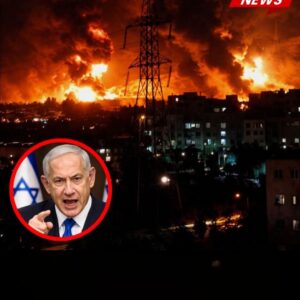
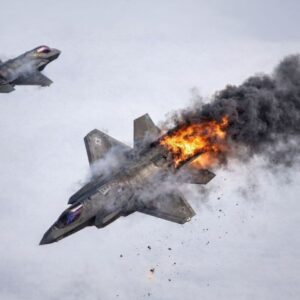
Tensions in the Middle East have escalated following joint US and Israeli military strikes against Iran, which included attacks on Iranian military infrastructure and the killing of the country’s Supreme Leader. In response, Iranian officials and military leaders issued strong warnings to Washington and its allies, rejecting any diplomatic dialogue and emphasizing that they will not remain passive. Iran declared that it will not negotiate with the United States under the current circumstances and vowed to continue resisting what it perceives as aggression, considering its stance a matter of national sovereignty and defense.
State authorities and elite forces asserted that adversaries “will not be safe anywhere” and that they will continue to exert pressure on the countries involved in the attacks. These messages were disseminated through official channels, underscoring the seriousness with which Iran views the unfolding conflict.
At the same time, Iran’s Foreign Ministry warned that the conflict could spread beyond the region, suggesting that even countries remaining neutral could face consequences if the crisis continues to escalate. This reflects Tehran’s communication strategy and its attempt to influence international perception amid the hostilities.
Overall, the rhetoric of the Iranian leadership shows growing geopolitical tensions and a rejection of negotiation, signaling a possible prolonged period of instability.