US B-52 Airstrikes Against Iran: 72 Hours of Overwhelming Force
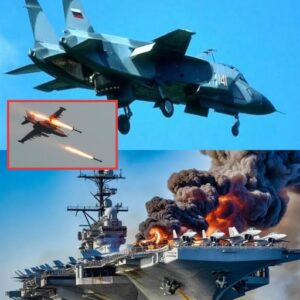
In a dramatic display of air power, the United States reportedly conducted a 72-hour air campaign against Iran, leveraging B-52 Stratofortress bombers alongside stealth aircraft like B-2 Spirits and B-1 Lancers. This operation, according to analysts, may redefine modern warfare by demonstrating unprecedented speed, coordination, and precision in striking complex military infrastructure.
The bombers targeted missile depots, radar stations, underground facilities, and reinforced bunkers across Iranian territory. Advanced tactics—including electronic warfare, stealth penetration, and precision-guided munitions—supposedly allowed the strike force to overcome Iran’s extensive air defense networks, including S-300, Bavar-373, and Tor missile systems.
Specialized bunker-penetrating bombs reportedly destroyed tunnels and deep underground installations, challenging Tehran’s assumption of invulnerable missile storage. Satellite imagery and open-source intelligence began assessing the scope of damage, though confirmation of total destruction remains debated.
The campaign also carried a psychological dimension: flashes and explosions reportedly lit the Iranian sky, sparking global media coverage, social media speculation, and intense debate among military analysts. The operation demonstrated both the reach of U.S. air power and the complex interplay between physical destruction and perception in modern warfare.
Strategically, the 72-hour campaign sent a clear message: rapid, overwhelming force can quickly reshape regional power dynamics. Yet questions remain about the long-term consequences, including potential Iranian retaliation, regional escalation, and the broader impact on international relations.
For military planners and policymakers, the lessons of this operation highlight the transformative potential of modern air power—and the thin line between tactical success and geopolitical crisis. The world now watches closely, aware that the reverberations of these three days could influence Middle East stability and global strategy for years to come.