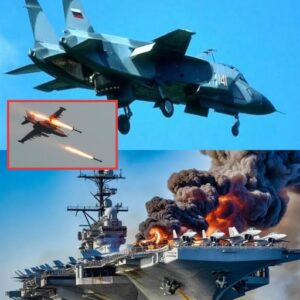
Iran Ambushes USS Abraham Lincoln, Testing U.S. Naval Defenses
In the early hours, the USS Abraham Lincoln carrier strike group faced a sudden attack involving ballistic missiles, swarms of drones, and high-speed glide weapons. The assault pushed U.S. naval defense systems to their limits, highlighting new challenges in modern maritime warfare.
The U.S. Navy deployed SM-3 interceptors and electronic warfare aircraft to disrupt incoming threats, while Growler jets provided jamming support. The Phalanx CIWS served as the last line of defense, but saturation attacks from low-cost drones exposed vulnerabilities in traditional systems.
The incident underscores a growing cost imbalance: inexpensive drones can overwhelm costly missile interceptors, forcing militaries to rethink defense strategies. Possible U.S. responses include Tomahawk strikes and stealth operations to suppress enemy defenses.
This ambush demonstrates that future naval combat will rely on integrated sensors, electronic warfare, and real-time control of the battlespace. The USS Abraham Lincoln incident marks a shift in maritime conflict, emphasizing the need for innovation and adaptation in naval strategy.