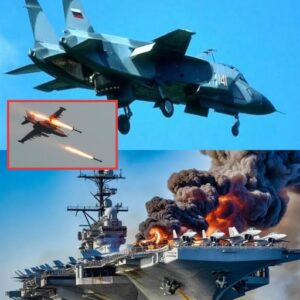
Late in the evening, alarming messages began circulating across social media platforms. Posts with dramatic headlines warned that Iran was preparing to strike the United States and that the attack would begin with a specific American state. The messages were often incomplete, ending with the phrase “See more in comment,” leaving readers anxious and searching for answers. Within minutes, the posts spread rapidly, shared thousands of times by worried users who feared the possibility of an imminent attack.
The sudden flood of messages created confusion and panic among many people. Some claimed the strike would begin on the West Coast, others insisted it would start on the East Coast, and a few suggested several states could be targeted simultaneously. The lack of clear information caused speculation to grow quickly, with people wondering whether the United States was about to face a direct military threat on its own soil.
To understand why these rumors appeared, it is important to look at the broader geopolitical situation. Over the past weeks, tensions between the United States and Iran have increased significantly. Military actions in the Middle East have intensified, and both countries have issued strong warnings toward each other. Reports indicate that American forces have conducted major strikes against Iranian military facilities, including strategic targets connected to Iran’s defense infrastructure. In response, Iran has launched retaliatory attacks against U.S. military assets and regional bases in the Middle East.
For example, Iran has previously targeted American installations in the Gulf region, including missile attacks against bases used by U.S. forces. These actions are part of an ongoing conflict that has been escalating across the Middle East, involving multiple countries and military alliances. In recent developments, Iranian missiles and drones have struck locations connected to American forces in countries such as Kuwait and Bahrain, demonstrating that the confrontation remains focused largely in that region.
Despite these tensions, there has been no official confirmation from U.S. authorities that Iran is planning an attack on a specific American state tonight. In situations involving national security threats, the United States government typically issues alerts through official channels such as the Department of Homeland Security, FEMA, or national emergency systems. Major news networks would also immediately broadcast such information. As of now, no such nationwide warning has been announced.
Experts say that a direct attack on the United States mainland would represent a massive escalation with severe consequences. The United States possesses one of the most powerful militaries in the world, and any strike on its territory would likely trigger an overwhelming response. Because of this, analysts believe that most retaliatory actions by Iran are more likely to focus on U.S. military bases overseas, regional allies, or strategic shipping routes rather than American cities.
Another reason the viral posts gained attention is the format used to spread them. The phrase “See more in comment” is a common tactic used by pages that want to increase engagement. By leaving the statement incomplete, readers feel compelled to click or search through comments to find the missing information. This technique can cause a rumor to spread rapidly even if the information is unverified or exaggerated.
During times of international conflict, misinformation often spreads faster than verified news. Dramatic claims, especially those involving war or national security, can easily go viral because they trigger fear and urgency. People tend to share such posts quickly to warn friends and family, sometimes without confirming whether the information is accurate.
At the same time, government officials and military analysts continue to monitor the situation closely. The current conflict has already caused significant tension across the Middle East, affecting oil markets, international shipping routes, and global diplomacy. Many countries are urging restraint to prevent the conflict from expanding further.
The possibility of cyber attacks, economic pressure, and regional military strikes remains a concern for security experts. However, these threats are very different from the dramatic claim that a missile or drone strike will begin in a specific U.S. state tonight.
For citizens, the most reliable approach during uncertain times is to rely on credible sources of information. National news organizations, government announcements, and official emergency alerts provide verified updates when real threats occur. Rumors spreading through social media comments or viral posts should always be treated with caution until confirmed by trusted authorities.
The message claiming that Iran will strike America tonight starting with a particular state appears to be part of a viral rumor circulating online rather than a confirmed warning. While the geopolitical situation remains tense and unpredictable, there is currently no verified evidence that such an attack is scheduled to occur.
As the world continues to watch the unfolding conflict between the United States and Iran, the focus remains on diplomatic efforts, military developments in the Middle East, and the possibility of further escalation. For now, the alarming social media message serves as a reminder of how quickly fear can spread online and how important it is to verify information before believing or sharing it.