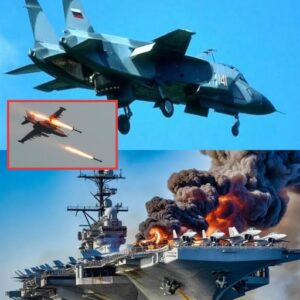
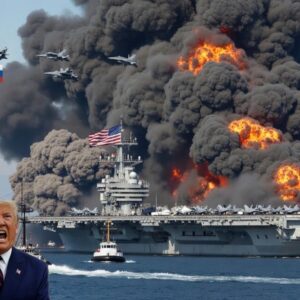
Tensions between Iran, the United States, and Israel escalated sharply after coordinated airstrikes on February 28, 2026, targeting Iranian military infrastructure and leadership compounds in Tehran. Iran confirmed that Supreme Leader Ayatollah Ali Khamenei was killed, marking one of the most significant attacks on Iran in decades. The U.S. described its mission as “Operation Epic Fury”, aiming to neutralize nuclear and missile threats, degrade proxy networks, and weaken Iran’s naval forces.
Iran’s Response and Escalation
-
Iran launched missile and drone attacks against U.S. bases in the Middle East and Israeli territory, asserting these actions were legitimate self-defence under UN law.
-
Iranian officials, including Mohammad Bagher Qalibaf, condemned U.S. and Israeli leaders as violators of Iran’s “red line” and vowed further retaliation.
-
At an emergency UN Security Council session, Iran’s UN Ambassador Amir Saeid Iravani called the strikes “war crimes” and issued a blunt warning to the U.S.: “I have one word only — I advise the representative of the United States to be polite.”
U.S. Justification
-
Ambassador Mike Waltz defended the strikes as defensive, citing Iran’s long history of regional aggression and support for proxy militias.
-
U.S. officials framed the airstrikes as preventing an imminent nuclear threat, while critics noted verification of such threats remains limited.
UN and Global Reaction
-
UN Secretary-General António Guterres expressed grave concern, stressing that unilateral military actions risk undermining international law and global security.
-
Russia condemned the killing of Khamenei as an unlawful assassination. European nations called for urgent de-escalation to prevent broader conflict.
Legal and Diplomatic Context
-
Article 2 of the UN Charter generally prohibits use of force except in self-defence or with Security Council approval.
-
Iran claims the strikes violated international law; the U.S. asserts they were preemptive defensive measures.
-
Legal debates continue over the legitimacy of anticipatory self-defence in international law.
What Comes Next
-
Both sides signal the conflict could continue for weeks, raising fears of a protracted military campaign.
-
Diplomatic efforts from the UN, EU, and neutral parties are closely watched for potential de-escalation.
Takeaway
The UN exchange and battlefield escalation highlight deep disagreements over international law, sovereignty, and military limits. How this crisis is resolved—through diplomacy, force, or both—will have long-term consequences for regional stability and global relations.
If you want, I can also make an even punchier “breaking news” version suitable for a social media feed or newsletter that captures the tension in under 200 words. Do you want me to do that?