For years, the human body has been viewed as something automatic: it breathes, filters, eliminates, and keeps going without us having to think much about it. However, there are organs that work silently, and we only notice when something is wrong. The kidneys are a prime example. They are there, discreet, performing a vital function 24 hours a day, and yet many people don’t pay attention to them until the problem is already advanced.
At first glance, the kidneys seem like simple filters. But in reality, they are veritable control centers. They are responsible for cleaning the blood, eliminating toxins, regulating fluids, maintaining mineral balance, and even helping to control blood pressure. When they are functioning properly, we hardly notice. The problem begins when they stop working as they should, and often the initial warning signs go unnoticed.
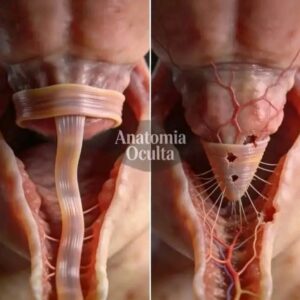
Images comparing a “healthy” kidney to a “damaged” one can be shocking. Blocked blood vessels, deteriorated tissue, and damaged internal structures reveal a reality we don’t usually see. But beyond the visual impact, the important thing is to understand what leads to this deterioration and how it can be prevented.
One of the silent enemies of the kidneys is the modern lifestyle. Diets high in salt, sugar, and ultra-processed foods overload the system. Excess sodium forces the kidneys to work harder than they should, while excess sugar directly affects the blood vessels that supply them. Over time, this constant effort takes its toll.
Dehydration is another key factor. Many people go hours without drinking enough water, replacing it with soda, coffee, or sugary drinks. The kidneys need water to filter properly. When they don’t receive enough, the concentration of waste products increases, and so does the risk of damage.
High blood pressure is one of the most common causes of kidney damage. The tricky part is that hypertension doesn’t always produce clear symptoms. It can be present for years without any obvious discomfort, while slowly damaging the delicate blood vessels of the kidneys. By the time kidney problems are detected, the high blood pressure has often already been causing significant damage.
Something similar happens with high blood sugar levels. Poorly controlled diabetes directly affects the kidneys’ ability to filter properly. Excess glucose damages the small internal filters, causing substances that should remain in the body to be lost through urine.
The most worrying thing is that the early stages of kidney damage are often silent. There is no pain, no clear signs. At most, you might experience fatigue, mild swelling in your feet or ankles, changes in your urine, or a general feeling of malaise that is easily mistaken for stress or lack of sleep.
Over time, if the underlying cause is not addressed, the damage progresses. The kidneys lose their filtering capacity, toxins accumulate in the body, and more noticeable symptoms begin to appear: significant swelling, extreme fatigue, difficulty concentrating, major changes in urine, and blood pressure problems that are difficult to control.
Comparative images often show one kidney with healthy blood vessels versus another with collapsed or damaged structures. This represents years of accumulated habits, not a problem that appears overnight. That’s why prevention is just as important as treatment.
One of the most common misconceptions is that only older people have kidney problems. The reality is that more and more cases are being detected in young adults, and even in seemingly healthy individuals. Sedentary lifestyles, poor diet, and the excessive use of certain medications without medical supervision are taking their toll.
The overuse of painkillers is another sensitive issue. Many people take pain medication frequently, without considering that some of them, when used excessively, can damage the kidneys. What starts as a quick fix can become a serious long-term problem.
Ignoring urinary tract infections also plays a role. When left untreated, these infections can ascend and affect the kidneys, causing damage that could have been prevented with timely care.
The good news is that kidney function, when problems are detected early, can remain stable for many years. Dietary changes, blood pressure and blood sugar control, adequate hydration, and medical follow-up can make a huge difference.
Taking care of your kidneys doesn’t require extreme measures, but rather consistency. Reducing your salt intake, prioritizing fresh foods, drinking water regularly, and moving a little more each day are simple actions that have a huge impact. It’s not about perfection, but about balance.
Listening to your body is also essential. Changes in urination, persistent swelling, unexplained fatigue, or lower back pain should not be ignored. Seeking medical advice promptly can prevent more serious complications.
Another important aspect is prevention through checkups. A simple blood and urine test can provide valuable information about kidney function. Many people discover problems accidentally, when they are already advanced, because they never had preventive tests.
Talking about kidney health shouldn’t be a distant or technical topic. It’s part of basic body care, just like taking care of your heart or lungs. Kidneys don’t usually give second chances when the damage is severe, which is why awareness is key.
The comparative images aren’t meant to frighten, but to draw attention. They show the contrast between an organ that receives good care and one that has been subjected to years of unintentional neglect. The difference isn’t a matter of luck, but of daily habits.
It’s also important to dispel the myth that “if it doesn’t hurt, it’s not wrong.” Many diseases progress silently, and kidney damage is one of the clearest examples. Waiting until you feel pain is not a safe strategy.
Ultimately, taking care of your kidneys means taking care of your quality of life. They are small organs, but they carry an enormous responsibility. Giving them the attention they deserve today can prevent complex treatments tomorrow and allow your body to continue functioning properly for many years.
Prevention is always easier than repair. And although you can’t see or feel them, your kidneys appreciate every glass of water, every balanced meal, and every conscious decision you make each day. Good health isn’t always noticeable when it’s good, but it’s sorely missed when it’s lost.