Before sunrise, the streets of Chicago were anything but quiet.Federal vehicles rolled into multiple neighborhoods in a tightly coordinated operation that officials describe as one of the largest narcotics crackdowns the city has seen in years.
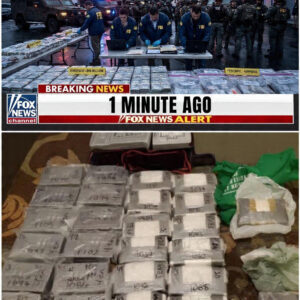
By the end of the day, 98 suspects were in custody and an astonishing 4.3 tons of illegal narcotics had been seized.
The operation brought together agents from Immigration and Customs Enforcement (ICE), the Drug Enforcement Administration (DEA), and the Federal Bureau of Investigation (FBI), alongside state and local law enforcement partners.Months of intelligence gathering culminated in a synchronized series of raids targeting what authorities allege was a sophisticated, multi-layered drug trafficking network operating throughout the Chicago metropolitan area.
According to officials familiar with the investigation, the operation was the result of extensive surveillance, undercover buys, financial tracking, and digital forensics analysis.
Investigators say the network had deep logistical infrastructure, with supply chains stretching beyond Illinois and distribution hubs embedded in multiple city neighborhoods.
The sheer volume of narcotics seized stunned even seasoned law enforcement officials.
Authorities reported confiscating a mixture of substances, including fentanyl, methamphetamine, cocaine, and heroin.
The 4.3-ton total represents a massive quantity capable of flooding communities and fueling addiction crises on a large scale.
Officials emphasized that the seizure likely prevented significant harm.
Agents executed search warrants at more than two dozen locations, including warehouse facilities, private residences, and storage units believed to be linked to the network.
Tactical units were deployed in high-risk locations, and helicopters circled overhead in certain areas as operations unfolded.
Despite the scale of the action, officials stated that the majority of arrests were conducted without serious injury.
Federal prosecutors are expected to pursue charges ranging from conspiracy to distribute controlled substances to money laundering and weapons violations.
Authorities indicated that several suspects are believed to have held leadership roles within the organization, coordinating transportation routes and managing financial flows.
Investigators allege that the trafficking operation utilized commercial trucking routes and legitimate business fronts to disguise the movement of narcotics.
Financial records recovered during the raids are being analyzed to trace millions of dollars in suspected illicit proceeds.
Authorities are also examining potential use of encrypted messaging platforms and digital currency in coordinating transactions.
Officials stressed that the operation was intelligence-driven and carefully timed to prevent suspects from fleeing or destroying evidence.
“This was about dismantling infrastructure, not just making arrests,” one federal official said during a briefing.